The Mystery Drink Rule: Never Taste-Test the Unknown
TOM found a bottle in the garage labelled “DO NOT DRINK.” So… he drank it. Here’s the one rule that turns a mystery-drink disaster into a story you tell, not one you regret.
6/5/20264 min read
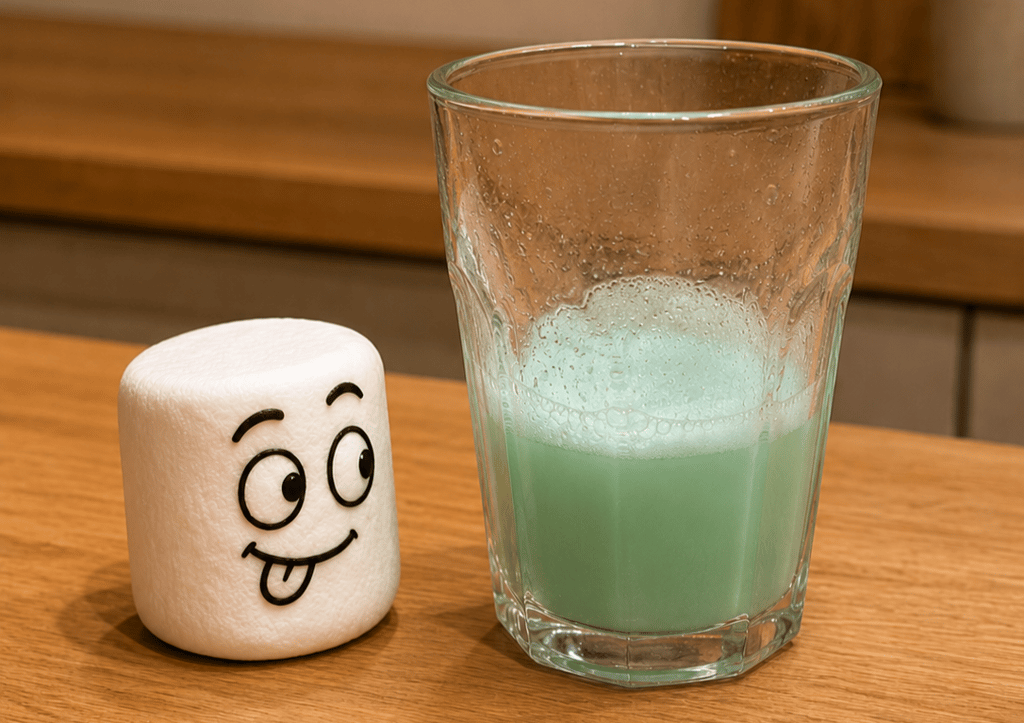
Thirst makes people brave in all the wrong ways. TOM was parched, spotted a mysterious bottle in the garage with the friendly message “DO NOT DRINK” stamped on the side, and decided that surely — surely — that warning was meant for someone else. It was not meant for someone else.
Now TOM is pale, dizzy, and asking with great sincerity why the ceiling has relocated to the floor. This is Chapter 5 of Can You Save TOM?, and it’s the chapter that quietly teaches one of the most important rules in the whole book. Not because mystery liquids are exotic — but because they’re everywhere. Under the sink. In the garage. In that one drawer nobody talks about.
Straight from the book
“TOM was thirsty and found a weird bottle in the garage labelled ‘DO NOT DRINK.’ So… he drank it. Now he’s pale, dizzy, and keeps asking why the room is upside down.”
The book gives you four options, and TOM’s fate depends entirely on which one you pick. Three of them make things dramatically worse. Here they are, ranked from “please no” to “absolutely not”:
❌ Make him throw it up
It comes back up… and burns twice.
Many poisons — especially anything corrosive like cleaners or bleach — damage the throat on the way down and do it all over again on the way back up. Vomiting can also send liquid into the lungs.
❌ Give him black coffee
Coffee is not an antidote.
It won’t neutralise anything. It just adds a hyper, jittery, possibly-poisoned person to your already busy afternoon.
❌ Tell him to sleep it off
Some things you don’t wake up from.
“Sleep it off” works for late nights, not for swallowed chemicals. Symptoms can get rapidly worse while someone rests.
✅ The correct move
Keep the bottle. Call for help. Nothing by mouth.
Don’t let TOM eat or drink anything. Keep the container so professionals know exactly what they’re dealing with, and call for expert advice straight away.
The reason the correct answer is correct is almost boring in its simplicity: the people who can actually help need to know what was swallowed. That label, that bottle, that residue — it’s the single most useful piece of information you can hand to a professional. So the whole rule really collapses into three small steps.
Stop the situation. Don’t make them sick, don’t give them food, drink, milk or “something to settle it.” Nothing by mouth until you’ve been told otherwise.
Grab the evidence. Keep the bottle, packet or container — or even a photo of the label and any spilled liquid. This tells the experts what the poison is and how to treat it.
Get expert advice fast. Call for guidance immediately. In the UK that means NHS 111 for advice, or 999 if the person is drowsy, struggling to breathe, having a fit, or unconscious.
The one rule to remember
If you don’t know what it is, you don’t drink it, taste it, sniff it or dare anyone else to — and if someone already has, keep the bottle and get help before you do anything else.
Poisons: Danger in a Bottle
The book’s explainer puts it plainly, and it’s worth repeating: not everything that looks like a drink is safe. Loads of completely ordinary household products — bleach, surface cleaners, fuel, dishwasher tablets, garden chemicals, even some “natural” essential oils — are genuinely poisonous if swallowed. They don’t come with skull-and-crossbones theatrics. They come in cheerful bottles that sometimes look alarmingly like squash.
That’s exactly why warning labels matter. Words like “Do Not Drink,” “Toxic,” “Keep Out of Reach,” or a hazard symbol aren’t decoration — they’re the bottle trying to save your life. Swallowed poisons can burn your insides, damage organs, or stop the body working properly. The cruel twist is that the “helpful” instincts — make them sick, give them milk, give them something fizzy — are often the ones that spread the poison faster or scorch the throat a second time.
UK quick-reference — pin this in your kitchen
NHS 111 — for poisoning advice when the person is awake, alert and breathing normally. Available 24/7.
999 — call immediately if the person is drowsy, unconscious, having a seizure, or struggling to breathe.
Have ready: what was swallowed, how much, roughly when, and the person’s age and weight. Keep the container beside you.
Do NOT make them vomit, and do NOT give food or drink unless a professional tells you to.
Store smart: keep chemicals in original labelled bottles — never decanted into old drinks bottles — up high and out of reach.
That last point is the unglamorous hero of poison safety. An enormous number of accidents happen not because someone was reckless, but because weedkiller ended up in a lemonade bottle “just for storage.” A label is only useful if it’s still on the right container.
The bigger lesson TOM keeps not learning
Curiosity is brilliant. It builds scientists, explorers and inventors. But the mystery-drink rule is where curiosity has to clock off and caution clocks in. The skill isn’t being scared of everything — it’s knowing the difference between “I wonder what this does” and “I will personally find out by drinking it.” TOM has never reliably located that line. You can.
Teach the rule to a child as a tiny chant if it helps: don’t know it? Don’t drink it. Four words, one swallowed-chemical disaster avoided. It works for kids and, frankly, for grown men in garages who feel adventurous.
In a real emergency
If someone has swallowed something poisonous, stay calm and act fast. Don’t make them sick and don’t give them anything to eat or drink. Keep the container or label with you.
Call NHS 111 for advice, or 999 straight away if they become drowsy, have trouble breathing, have a seizure, or lose consciousness. When in doubt, make the call — that’s always the right answer.
Want to get latest updates on new books?
SubscRibe to our mailing list below
© 2025. All rights reserved.