
TOM Ate a Mystery Plant
While camping, TOM spotted a weird plant and reached the conclusion he reaches about most things: “looks delicious.” It was not delicious. Now he’s itchy, red, and his tongue, he reports, “feels like it’s growing a beard.”
6/17/20263 min read
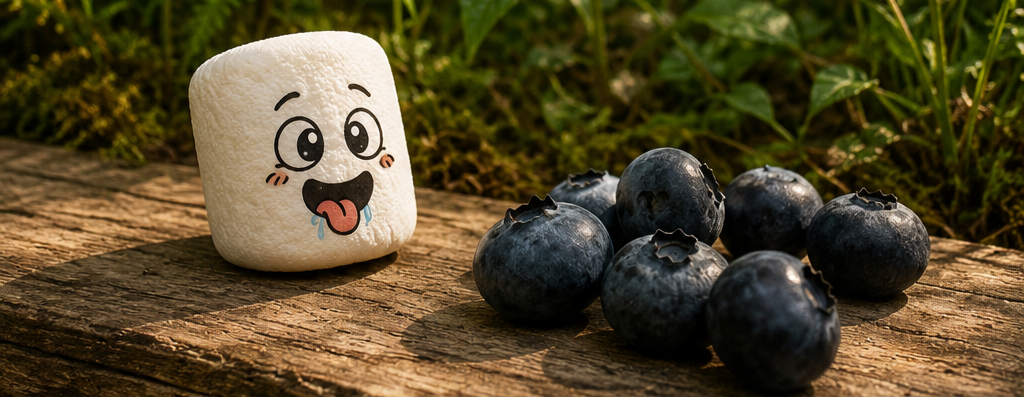
There is a particular confidence required to look at an unidentified plant in the wild and think, “yes, that’s lunch.” TOM has that confidence in abundance and good sense in none, which is how we’ve arrived at Chapter 15 — and a lesson that’s the leafy cousin of the mystery-drink rule from back in Chapter 5.
It’s the same core principle, really: don’t put unknown things in your body. But plants deserve their own chapter because they’re so brilliantly deceptive — many dangerous ones look almost identical to perfectly edible plants, which is exactly how genuine accidents happen, TOM’s overconfidence aside.
Straight from the book
“Tom saw a weird plant while camping and thought it ‘looked delicious.’ Now he’s itchy, red, and his tongue feels like it’s growing a beard.”
A)Rinse his mouth and get help
B)Give him a handful of grass to balance it out
C)Tell him to eat mud
D)Wait for him to “adapt like a goat”
The answer is A: rinse his mouth and seek medical help. Unknown plants can cause allergic or toxic reactions, and the only safe response is to stop, rinse, and let professionals figure out the rest. As the book puts it bluntly: never eat random greens.
If you picked wrong…
B — Now he’s a cow. Or thinks he is. Piling more random plants on top does not “balance” anything.
C — Mud is not dessert. He disagrees, but he’s wrong.
D — Sadly, TOM is not a goat. Humans do not “adapt” to toxins by waiting.
Tom’s Tip (and it’s a good one)
“If you’re not 100% sure it’s food… it’s not food.” No exceptions, no “but it looks like the one from the shop.”
Not all greens are good
Plenty of plants are perfectly safe and lovely — spinach, berries, carrots. The trouble is that many wild plants contain toxins that can cause rashes, stomach pain, vomiting, or even serious organ damage, and the dangerous ones are masters of disguise. Some berries and mushrooms look almost exactly like edible versions but are quietly poisonous. And you don’t even have to eat them: brushing against poison ivy or stinging nettles can leave an itchy red rash.
The book singles out a few worth knowing, and they make the point perfectly:
Poison hemlock
Looks like parsley or wild carrot — but even a little can affect the nerves and breathing.
Foxglove
Pretty purple flowers — but it can affect the heart. Looks are no guide to safety.
Wild mushrooms
Some edible-looking ones are seriously toxic. Telling them apart is genuinely expert work.
That’s the whole reason “it looks like food” is such a dangerous instinct. The plants that hurt people aren’t the obviously scary ones — they’re the ones that look reassuringly familiar. Which is why the rule has to be absolute rather than a judgement call.
Stop eating immediately and remove any plant left in the mouth.
Rinse the mouth with water. Don’t swallow more, and don’t make them vomit.
Don’t give “natural” remedies — no grass, no milk, no random greens to “balance it.” That just adds unknowns.
Keep a sample if you can. A photo or piece of the plant helps professionals identify the toxin.
Get medical advice fast. Call for help and let poison control or a doctor decide on treatment.
UK quick-reference — plant or berry eaten
Call NHS 111 for advice if someone has eaten an unknown plant or berry but seems well.
Call 999 if they have trouble breathing, swelling of the mouth or throat, severe vomiting, fits, drowsiness, or collapse.
Bring the evidence: keep a bit of the plant or a clear photo to help identification.
Don’t: make them vomit, give milk or other “natural” foods, or wait to “see if it passes.”
In a real emergency
Some plant toxins act fast. Swelling of the lips, mouth, or throat, difficulty breathing, severe vomiting, fits, or collapse after eating a plant is an emergency.
Call 999 straight away, keep a sample of the plant if you safely can, and don’t try home remedies while you wait.
TOM survives, his tongue eventually de-beards, and the mystery plant remains a mystery he really should have left alone. But the lesson is one of the most portable in the book, because it travels everywhere a child does — gardens, parks, woods, campsites. If you’re not completely certain it’s food, it isn’t. Tomorrow we’ll make that into a single, fridge-worthy rule for wild berries and plants — the kind worth teaching every young explorer before the next walk.
Want to get latest updates on new books?
SubscRibe to our mailing list below
© 2025. All rights reserved.