
TOM Gets Zapped by His Headphones
TOM fell asleep with his earbuds in — while they were charging. He woke to a zap, a weird red spot on his ear, and the conviction that “the music fried my brain.” Electrical safety, made unforgettable.
6/15/20263 min read
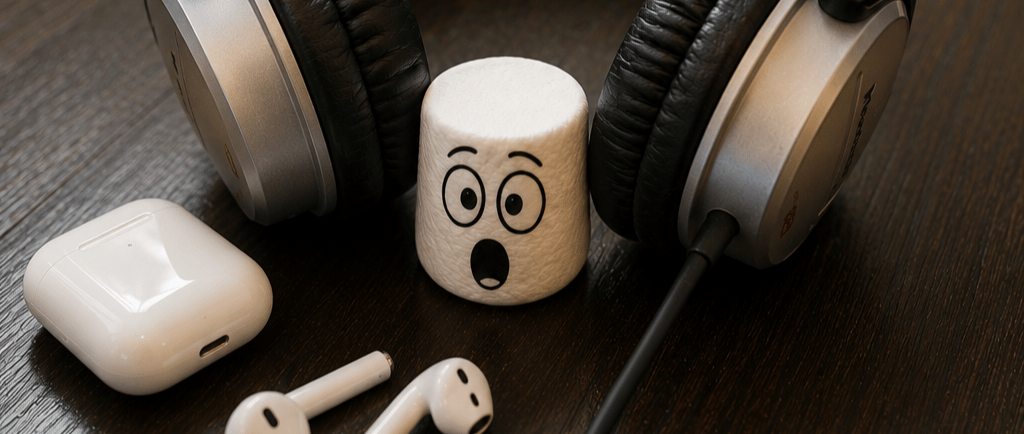

There’s a special category of modern hazard our grandparents never had to worry about: falling asleep tangled in a charging gadget. TOM, a pioneer in poor decisions, drifted off with his earbuds in while they sipped electricity from the wall — and woke up with a zap, a red mark, and a new theory about his own brain.
Chapter 13 is funny, but it carries one of the most genuinely important rules in the whole book — and it’s a rule about protecting you, the rescuer, as much as the casualty. Because with electricity, rushing in to help can make you the second victim.
Straight from the book
“He woke up to a zap and a weird red spot on his ear. Now he’s dizzy and saying, ‘I think the music fried my brain.’”
A)Check for burns and signs of electric shock
B)Plug him in again to “reset him”
C)Rub toothpaste on the burn
D)Let him finish the song first
The answer is A: check for burns and signs of electric shock, and seek help. Charging and wearing headphones can cause small burns or shocks if something’s faulty — and a mark you can see may not be the whole story.
If you picked wrong…
B — You zapped him again. Now he’s fluent in static. “Resetting” a person is not a thing.
C — Minty fresh? Yes. Helpful? No. Toothpaste is not a burn treatment.
D — The playlist finished. So did his ear. Priorities, TOM.
⚡ The rule that protects you first
Before you touch anyone who’s been shocked, make sure the power is off or unplugged. If they’re still in contact with the source, the current can pass straight into you — and then there are two casualties instead of one. Cut the power first, every time.
The one rule to remember
Power off before hands on. Switch off at the wall or unplug it — only then check the person for burns, breathing, and how they’re responding.
Electric shocks: small zap, big risk
Here’s the part that makes electricity sneaky. Electricity is powerful and dangerous even in everyday gadgets, and faulty chargers, frayed wires, or using electronics while they’re charging can all cause shocks or burns. A mild shock might leave just a tingle, a small burn, or some dizziness — but a stronger one can affect the heart and muscles, or even cause unconsciousness.
And the burn you can see may be the smallest part of it. As the book explains, electricity doesn’t just hurt the skin — it can travel through the body like a secret shortcut, and on the way it makes heat that can burn muscles, nerves, and even blood vessels. That’s why a tiny mark on the outside can mean bigger damage inside, and why “it’s just a little red spot” isn’t a reason to shrug it off.
Cut the power FIRST. Switch off at the wall or unplug the device before you touch the person. Don’t grab someone who’s still connected to a live source.
Check responsiveness and breathing. Once it’s safe, see how they’re responding. Any breathing problems, chest pain, or confusion is serious.
Cool small burns. Hold a minor burn under clean, cool running water. No toothpaste, butter, or creams.
Get help for anything beyond minor. Dizziness that lingers, chest pain, trouble breathing, or any sizeable shock means call for medical help — even if the outside mark looks small.
If they’re unconscious or not breathing: call 999 and start CPR.
UK quick-reference — electric shock
Safety first: turn off the power at the socket/fuse box or unplug before touching the person. If you can’t, don’t touch them.
Call 999 if they’ve had a strong shock, have chest pain or trouble breathing, are confused or drowsy, or were knocked out — even briefly.
Get any electrical burn checked, even a small-looking one — internal damage can be worse than it appears.
Cool burns with clean, cool water for up to 20 minutes. Don’t use toothpaste, butter, or creams, and don’t pop blisters.
In a real emergency
A serious electric shock can affect the heart and breathing. If someone is unconscious, not breathing, or has chest pain after a shock, this is an emergency.
Make sure the power is off, call 999 immediately, and start CPR if they’re not breathing. Never touch someone who’s still in contact with a live source.
TOM survives with his ear and his questionable brain theory intact — but the lesson is one of the most genuinely protective in the book, precisely because it guards the helper too. With electricity, the heroic instinct to grab someone can backfire badly; the real hero move is the calm one: kill the power, then help. Tomorrow we’ll turn it around to prevention — the four simple electrical rules TOM dearly wishes he’d known before bedtime.
Want to get latest updates on new books?
SubscRibe to our mailing list below
© 2025. All rights reserved.